About
For centuries, the Garonne has played an essential role in the development of the region. It has encouraged trade, the settlement of villages and economic activity in the valley. Even today, it is a major part of the natural and landscape heritage of the Pyrenees.
A remarkable natural environment
Its cool waters and banks are home to a rich fauna and flora:
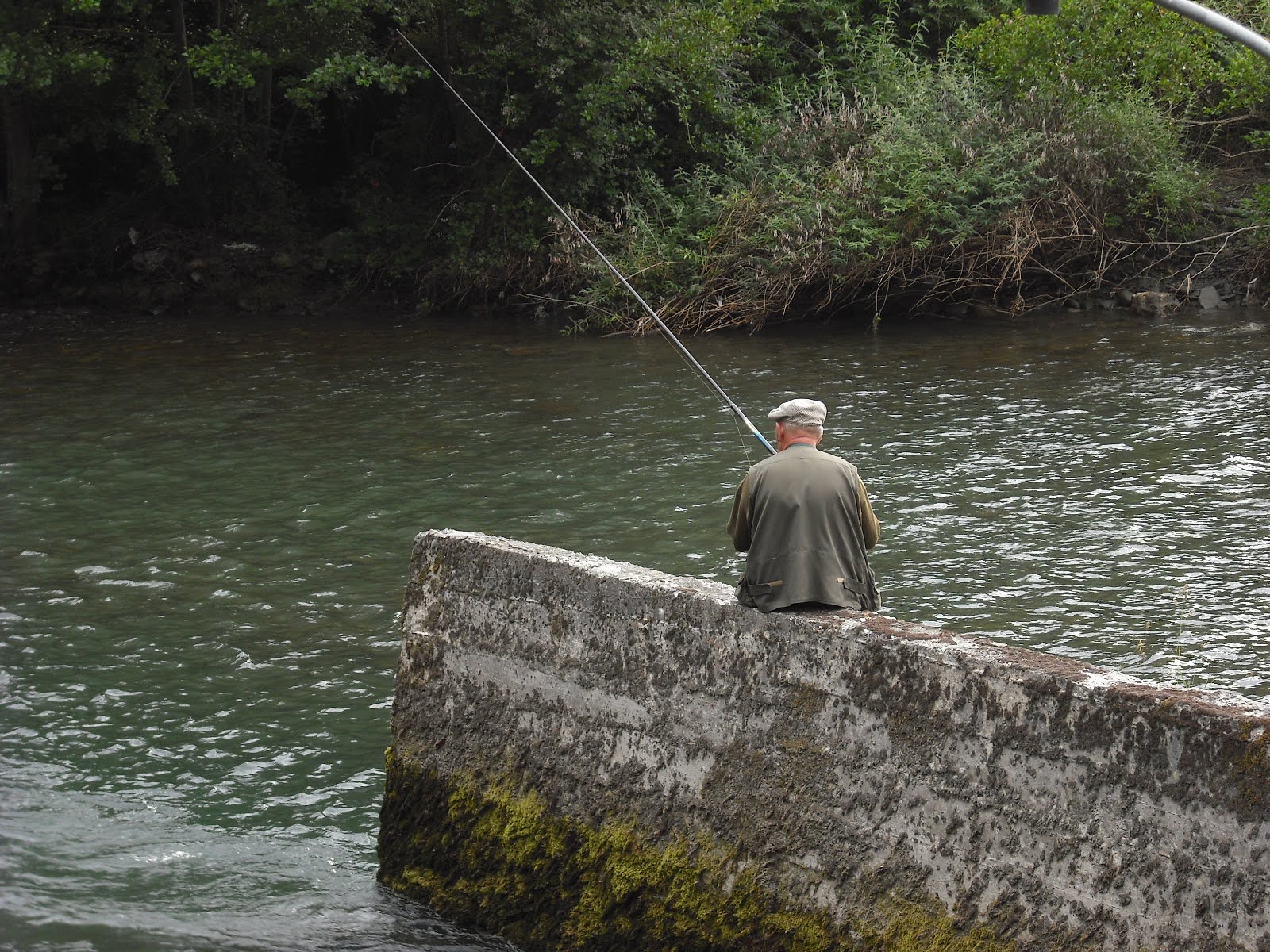
fario trout and other river fish ;
herons, kingfishers and birds of prey;
otters and other discreet aquatic species;
riparian forests of alder, willow and ash.
The river forms a genuine ecological corridor between the mountains and the plains.
Fed by melting snow and rainfall, the Garonne's flow varies considerably from season to season.
In spring, its waters are often more abundant, while in summer they sometimes reveal beautiful pebble beaches.
The Garonne is a mountain river subject to rapid variations in flow. Upstream, a number of hydroelectric works and dams can release water, causing a sudden rise in the river level and a significant increase in the force of the current.
Even when the water level seems low, these variations can occur quickly and make swimming dangerous. The currents are often strong, the bottom uneven and the water particularly cold, even in summer.
For these safety reasons, swimming in the Garonne is generally not recommended or permitted. Visitors are advised to take advantage of supervised bathing areas if they wish to enjoy aquatic activities.