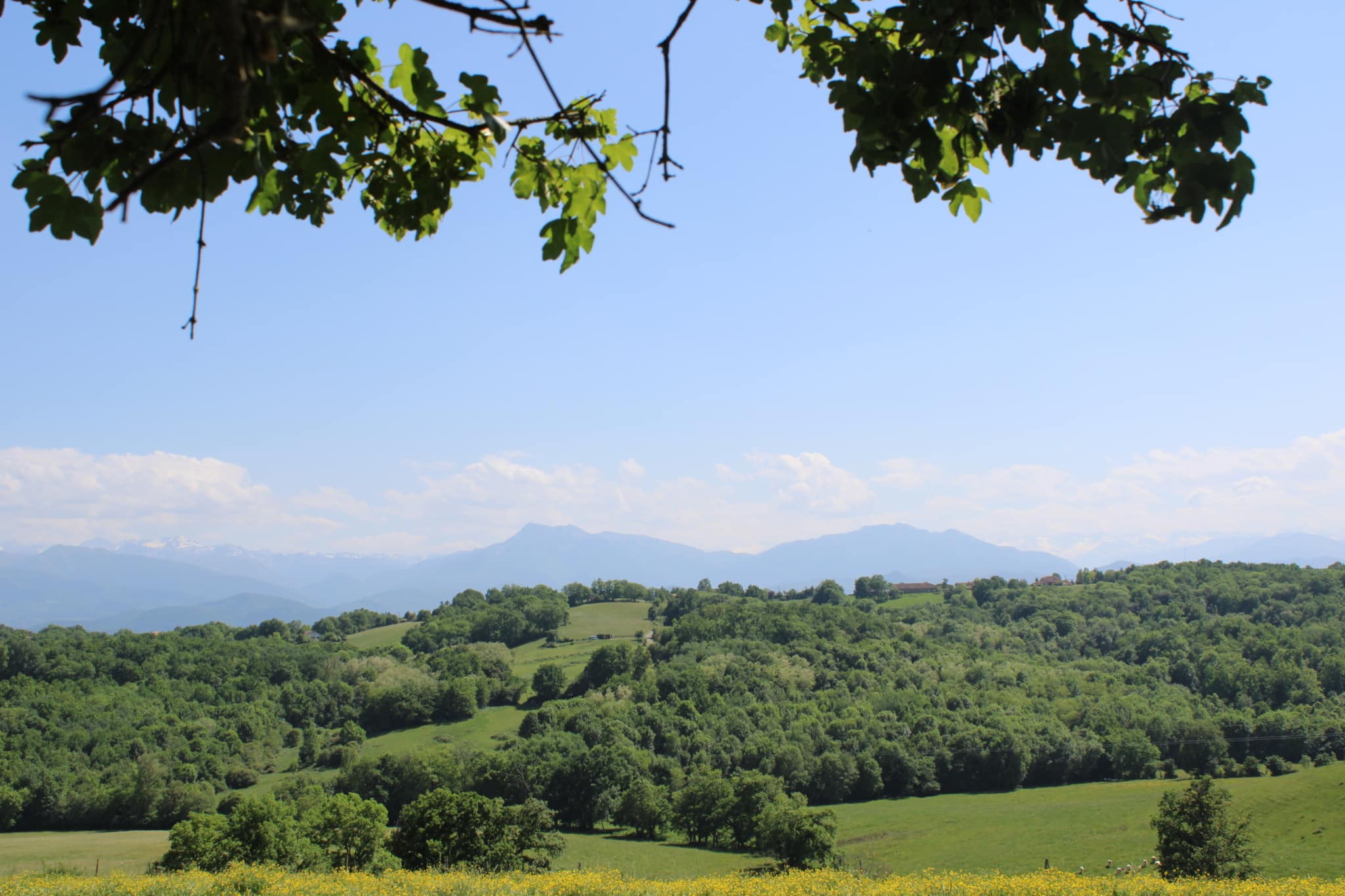
The Comminges region through time
Discover Comminges, occupied since prehistoric times. Discover a history in motion …
Prehistory
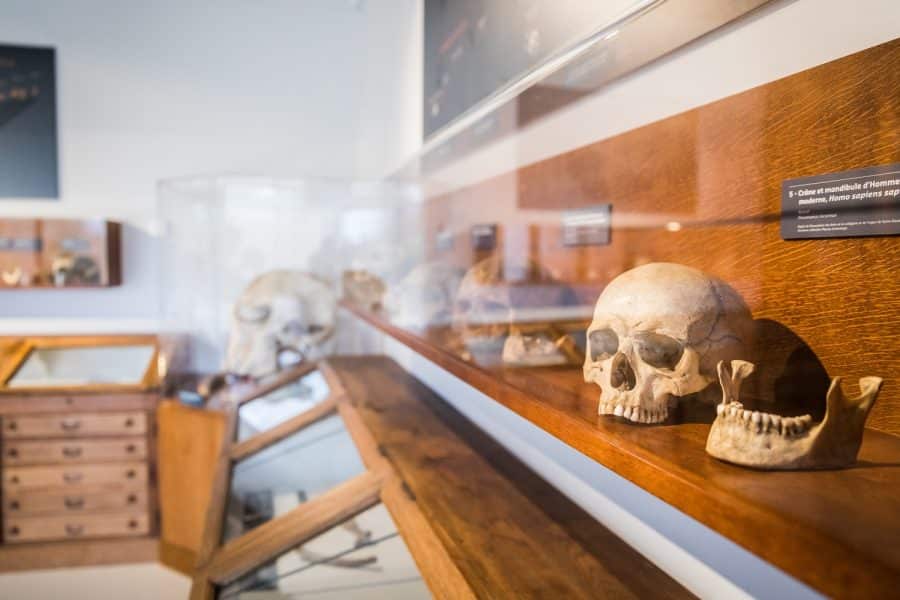
The story of the discovery of prehistoric humans in Comminges began in 1852, when Jean-Baptiste Bonnemaison found bones in a rabbit hole.
The story begins not far from Aurignac, when he removes bones from a rabbit hole. Digging further, he discovered the entrance to a rock shelter, containing a collective burial and the remains of extinct animals.
Antiquity
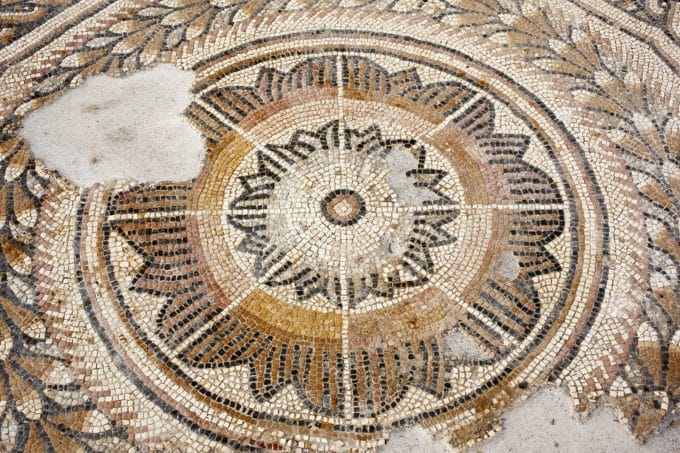
Antiquity begins with the invention of writing in Mesopotamia and Egypt, around 3400-3200 BC, and ends with the fall of the Western Roman Empire in 476.
Comminges was an important territory at this time, as its flagship site Saint-Bertrand-De-Comminges still testifies today. Before the Roman conquest, Comminges was occupied by an Aquitanian people called the Convènes, different from the Gaul-Celts, whose territory stretched between the Pyrenees and the Garonne.
The Middle Ages
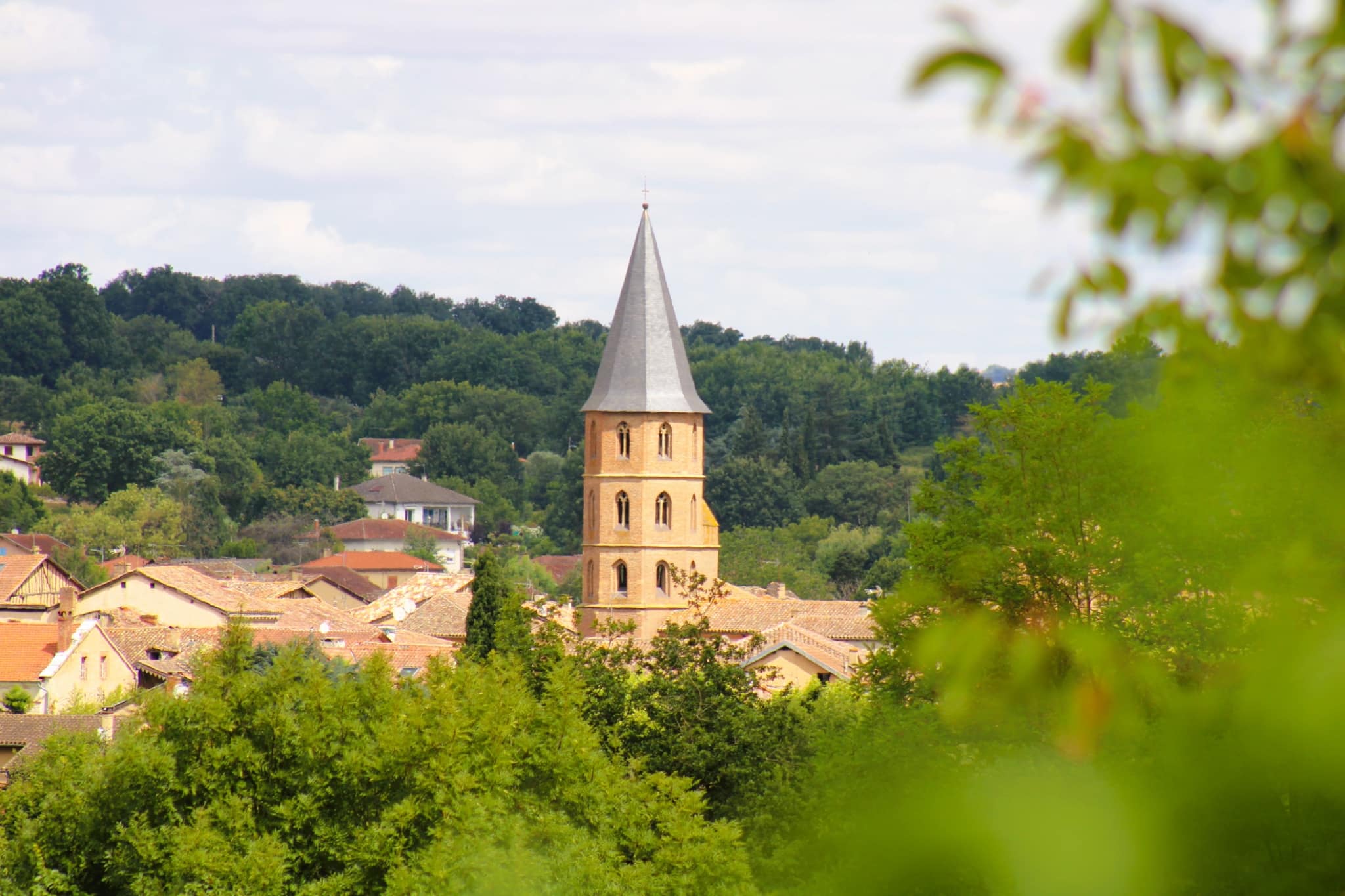
In the Middle Ages, Comminges formed a powerful and relatively autonomous county, centered around the town of Saint-Bertrand-de-Comminges.
The county’s origins date back to the 9th and 10th centuries. After the fall of the Carolingian Empire, the region was structured around a feudal county: the County of Comminges. The territory largely corresponds to the ancient Gallo-Roman city of Lugdunum Convenarum (now Saint-Bertrand-de-Comminges).
Local noble families gradually took control of the territory.

modern times
In France, this was a period of great political, cultural, religious and economic change, marking the transition from the Middle Ages to the present day.
It stretches from the 15th to the 18th centuries, and more precisely up to the French Revolution. Comminges was no exception to these major upheavals in modern times.
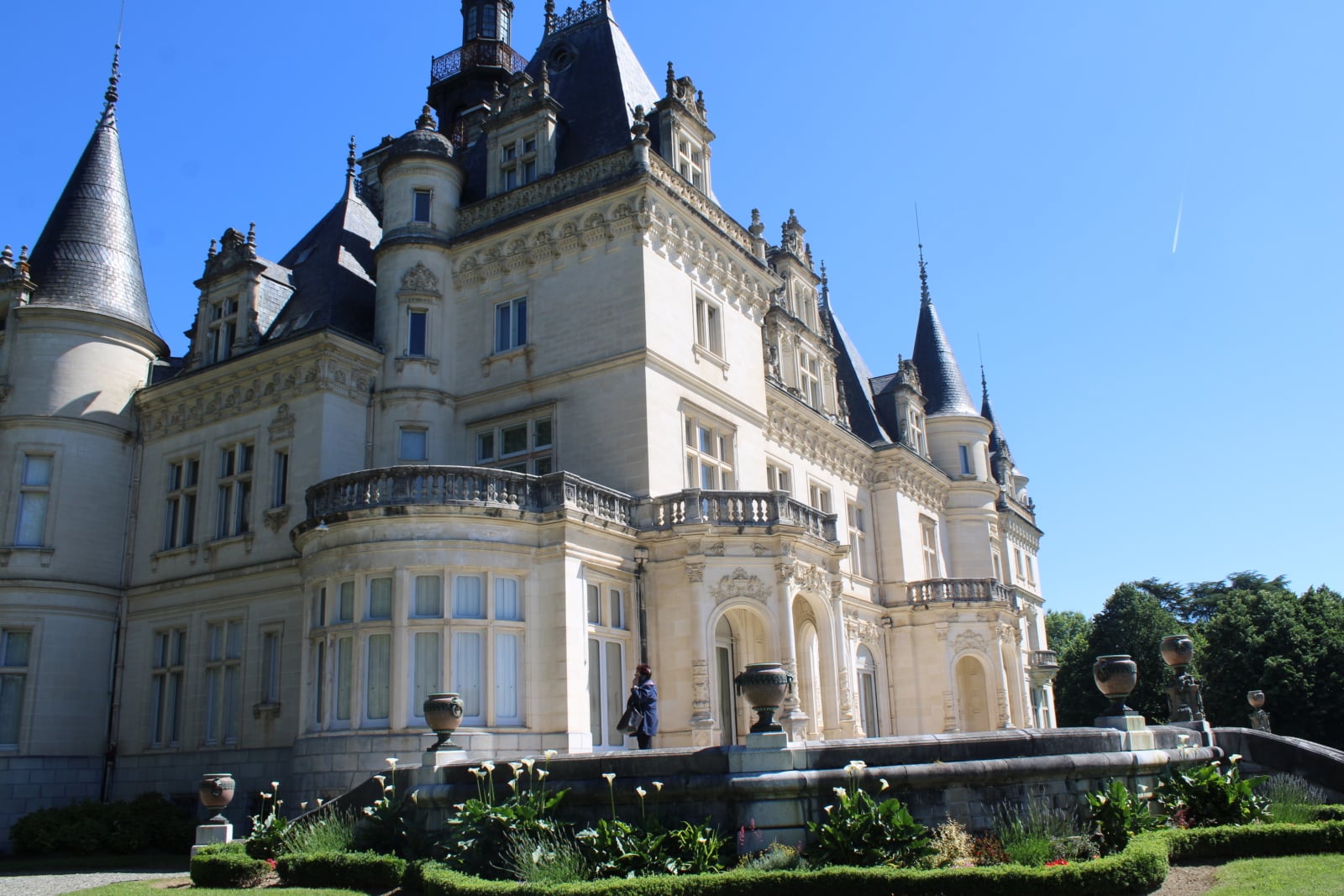
The industrial era
In France, this was the period that saw a gradual shift from an agricultural and craft economy to an industrial economy based on machines and mass production. Comminges underwent major transformations in the industrial era, but industrialization remained limited and tied to local resources.
At the beginning of the 19th century, Comminges remained a predominantly agricultural region. There were many villages, all dependent on local agriculture.

nowadays
Following on from the industrial era, the Comminges region saw the development of a wide range of industries in the 20th and 21st centuries.
The 20th century saw the development of hydroelectric power plants. The first of these appeared in the late 1890s. From 1900 onwards, there were many of them everywhere, until the 1950s, when electricity gradually took over.