Comminges in the Industrial Era
The Evolution of Comminges in the Industrial Era
In France, this is the period that gradually shifted from an agricultural and artisanal economy to an industrial economy based on machines and mass production. Comminges in the industrial era experienced significant transformations, but industrialization remained limited and tied to local resources
At the beginning of the 19th century, Comminges remained a predominantly agricultural territory. Villages were numerous and lived off local agriculture.
Comminges industry developed mainly thanks to the resources of the Pyrenean massif with marble quarries around Saint-Béat-Lez (marble used in architecture and sculpture)—its exploitation was already well-established but modernized in the 19th century.
There were also forges and metallurgy using local ore.
Hydropower developed along with sawmills and woodworking linked to the abundance of forests. These activities remained artisanal or semi-industrial.
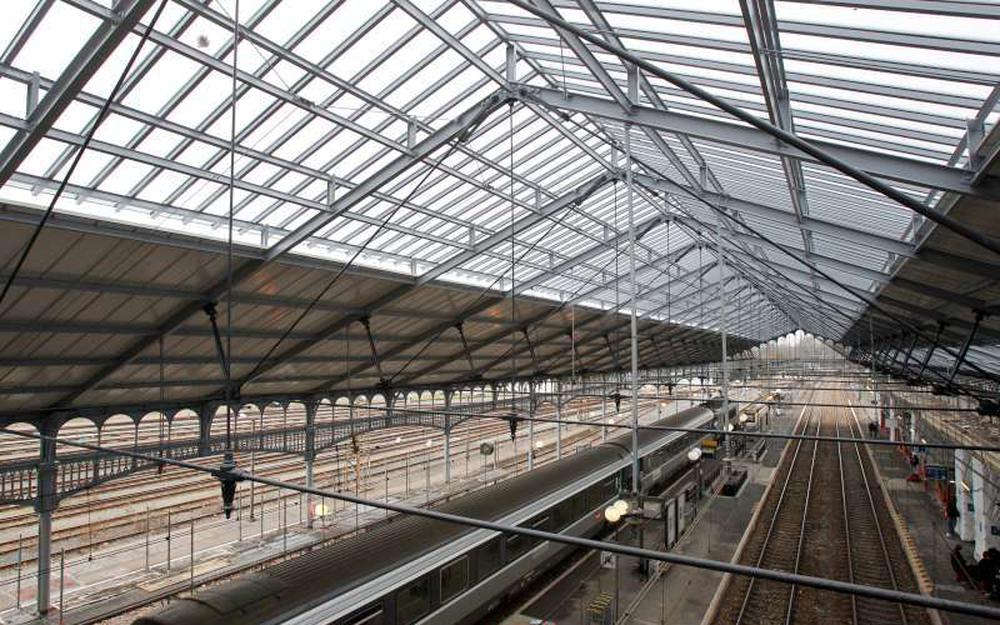
The arrival of the railway in the 19th century greatly changed the region with lines of varying sizes such as the Toulouse–Saint-Gaudens–Luchon line (opening of Bagnères-de-Luchon station in 1873), smaller lines connecting Comminges to Gers to reach the main lines (Boulogne-sur-Gesse/L’Isle-en-Dodon/Gimont…) which facilitated faster transport of goods, leading to commercial development and new activity with the arrival of visitors and spa guests.
The 19th century saw the development of thermalism, very important in the Pyrenees, such as in Bagnères-de-Luchon which became a renowned spa town, frequented by the European bourgeoisie and aristocracy, requiring the construction of hotels, later casinos and thermal establishments. Tourism became a major economic activity
Industrialization, even modest, gradually led to rural exodus as inhabitants left the mountains and countryside for cities or other industrial regions, or even to try their luck abroad.
It was at this time that small towns evolved and saw their population grow, such as Saint-Gaudens but also Boulogne-sur-Gesse, Aurignac, L’Isle-en-Dodon, with development of commerce and crafts.
The evolution of techniques and population growth led to changes in the villages and towns of Comminges. They continued to adapt by enlarging churches and monuments, renovating old heritage to improve its capacity and uses. The county towns lost their fortifications, the moats surrounding them were filled in, buildings were demolished and rebuilt creating new cadastres, administrative functions developed in the towns, town halls were built such as in Saint-Gaudens, L’Isle-en-Dodon, Boulogne-sur-Gesse, Montréjeau…
At the national level, it was in the industrial era that the Eiffel Tower was presented at the 1889 World’s Fair, which was the first major world’s fair and a great success.
Sites Created in Comminges During This Period
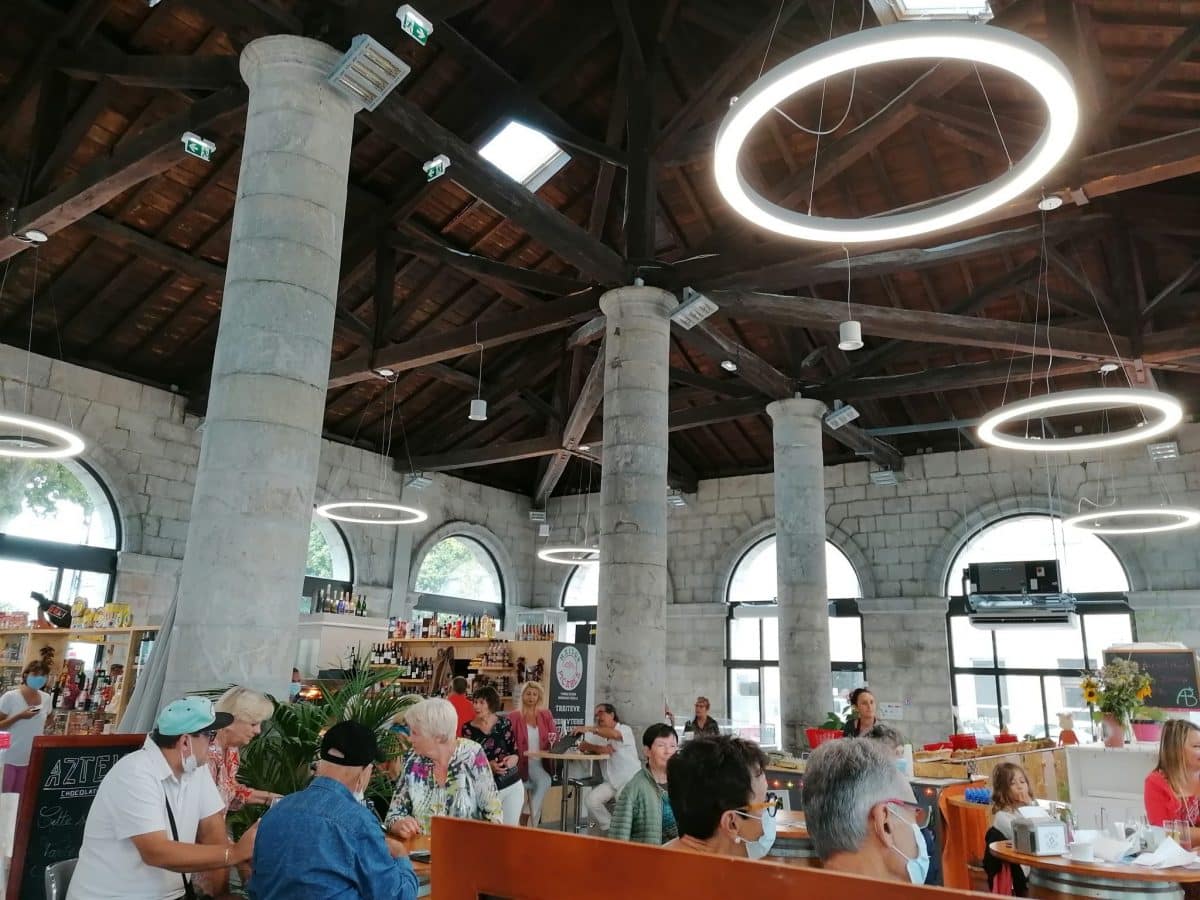
The Grain Hall of Saint-Gaudens
Built in 1843, in neoclassical style with columns and arcades, it is a covered market for wheat and agricultural products trade.
Today it has become the Food Hall, retaining its covered market function and housing local producers.
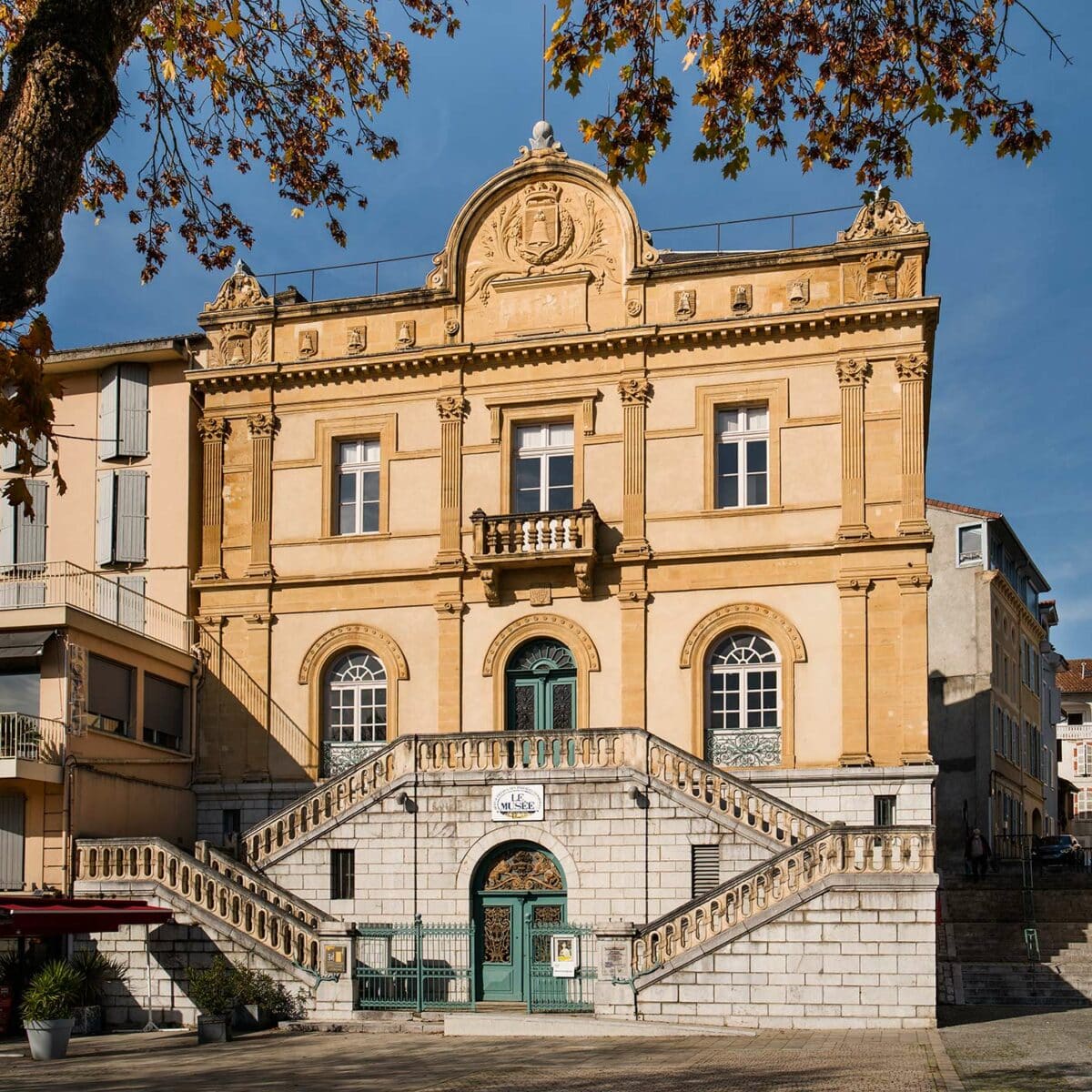
The Museum of Saint-Gaudens
The 19th century also saw the appearance of new administrative buildings in monumental neoclassical architecture, a symbol of the town’s development.
Former town hall of Saint-Gaudens from 1870 to 1874, it is now the Arts & Figures of the Central Pyrenees Museum.
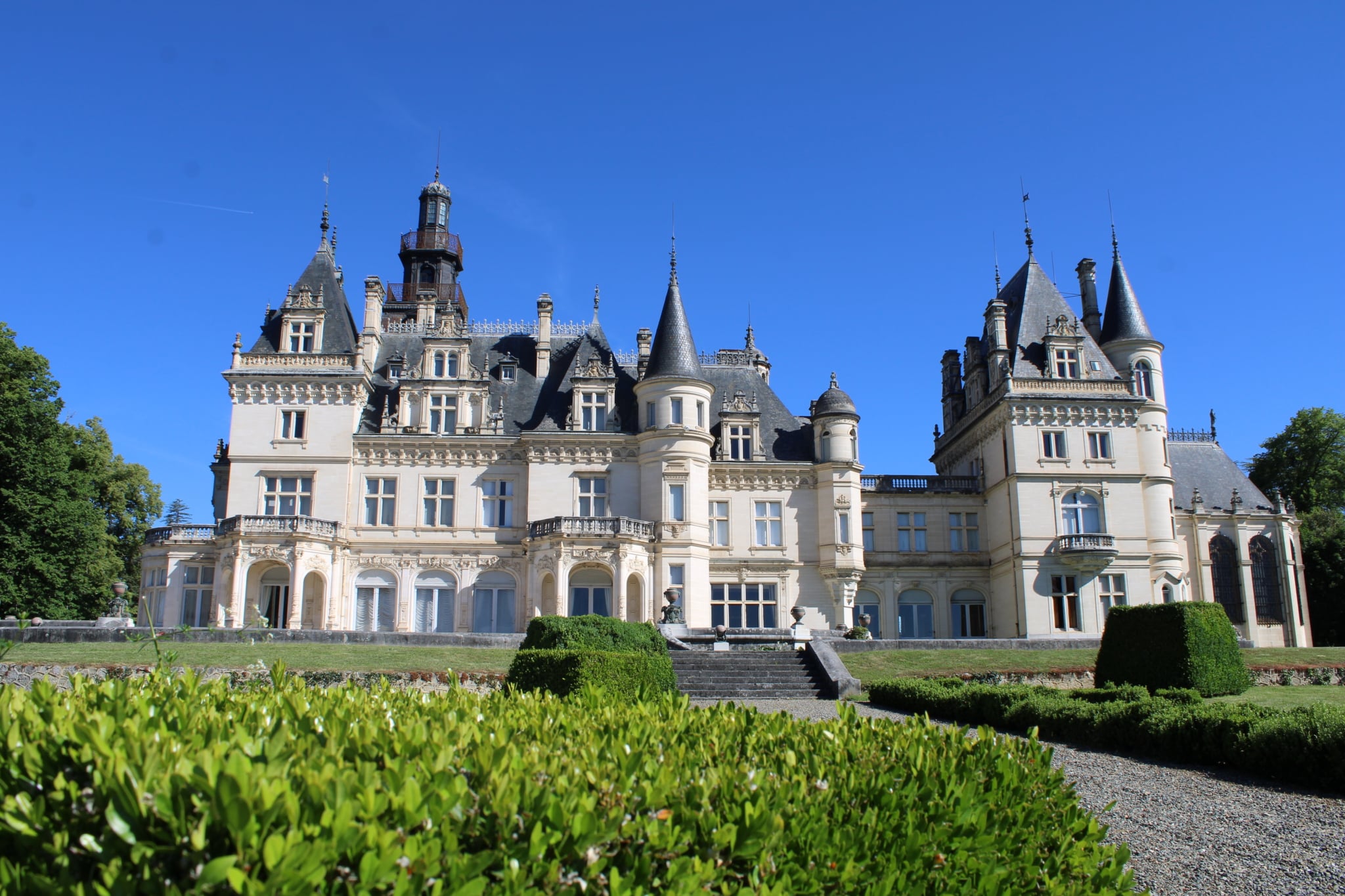
Valmirande Castle and Estate
Built between 1893 and 1899 on the initiative of Bertrand De Lassus, by architect Louis Garros, it is in neo-Gothic style.
Note the modifications to the De Lassus hotel during this period with the addition of an entire floor topped with high roofs.
To See
Most of the places mentioned above are now cultural or administrative venues, so you can see them with free access.
Practical Information
For the museum, check the opening hours and admission fee here. Valmirande Castle is not open for interior visits; only the exterior can be visited in summer or on certain dates. Contact the tourist office for more information.