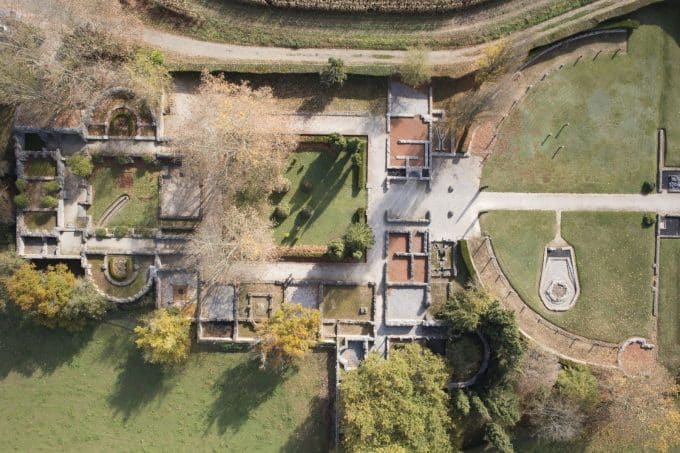
Comminges during Antiquity
Antiquity in Comminges
Antiquity begins with the invention of writing in Mesopotamia and Egypt, around 3400-3200 BC, until the fall of the Western Roman Empire in 476.
Comminges was an important territory during this era, as evidenced today by its flagship site, Saint-Bertrand-de-Comminges.
Before the Roman conquest, Comminges was occupied by an Aquitanian people called the Convanae, who were different from the Gaulish Celts. Their territory stretched between the Pyrenees and the Garonne, controlling the passes to the Pyrenees and the Iberian Peninsula, making it a strategic location for trade and travel.
Comminges entered Roman history in the 1st century BC during the conquest of Gaul.
Around 72 BC, the Roman general Pompey founded a city to bring together various local populations and soldiers. This city became Lugdunum Convenarum and later Saint-Bertrand-de-Comminges. The city quickly became the political and administrative center of the region.
With the Roman presence, the region underwent a process called Romanization:
- adoption of the Latin language
- spread of Roman institutions
- development of agricultural villas
- construction of roads and infrastructure
- blending of Gaulish and Roman cultures
Numerous Gallo-Roman villas appeared in the Comminges countryside. These were often wealthy agricultural estates, featuring houses, baths, and mosaics.
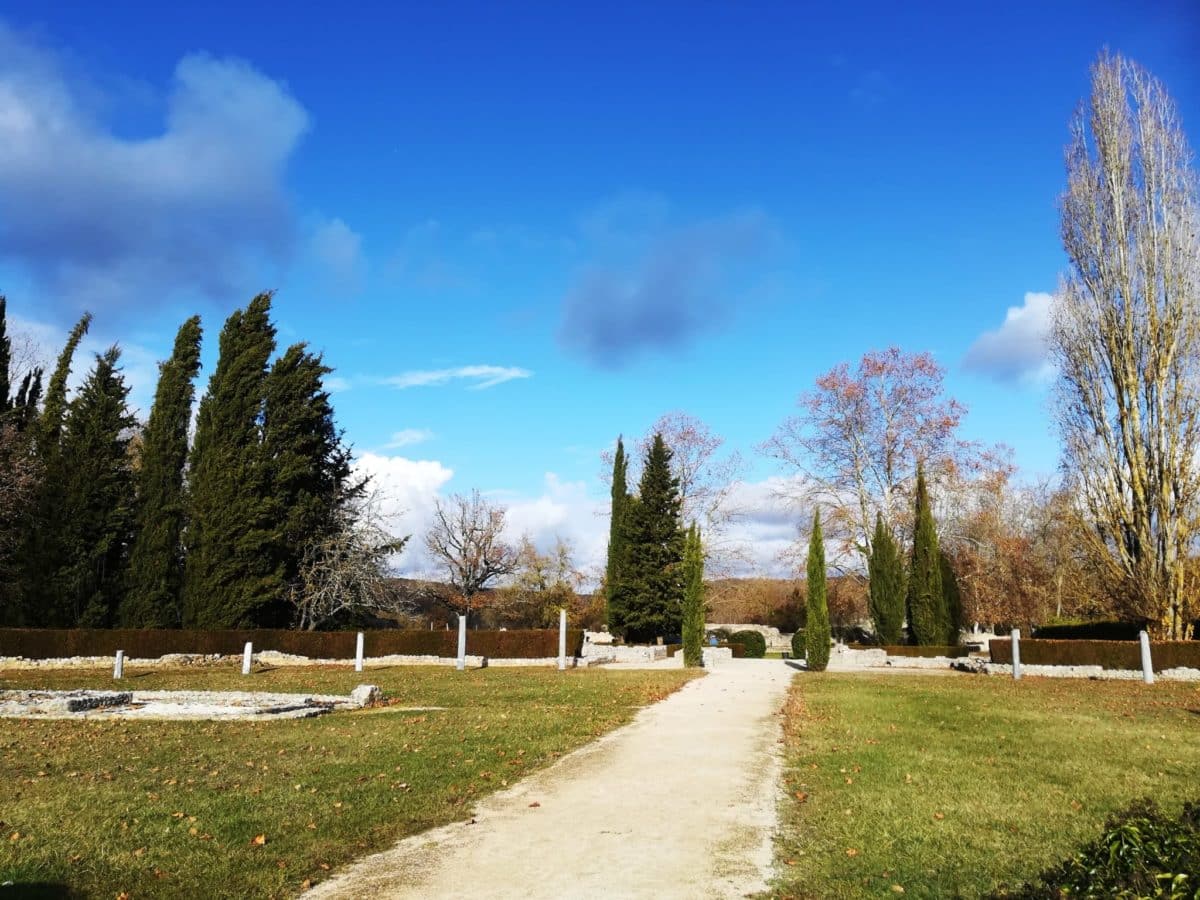
In the footsteps of the Romans
Traces of this Roman period can be found in almost every village in Comminges, from small heritage items like an engraved white stone telling one of the many epics of this period, to Gallo-Roman villas like the one in Montmaurin.
Let’s take a look at Montmaurin and its archaeological site, which includes one of the largest Gallo-Roman villas in France! Marble columns and veneers, heating systems… a visit to the Gallo-Roman villas of Lassalles and La Hillère, as well as the archaeological museum, takes you on a journey back in time to discover true heritage treasures.
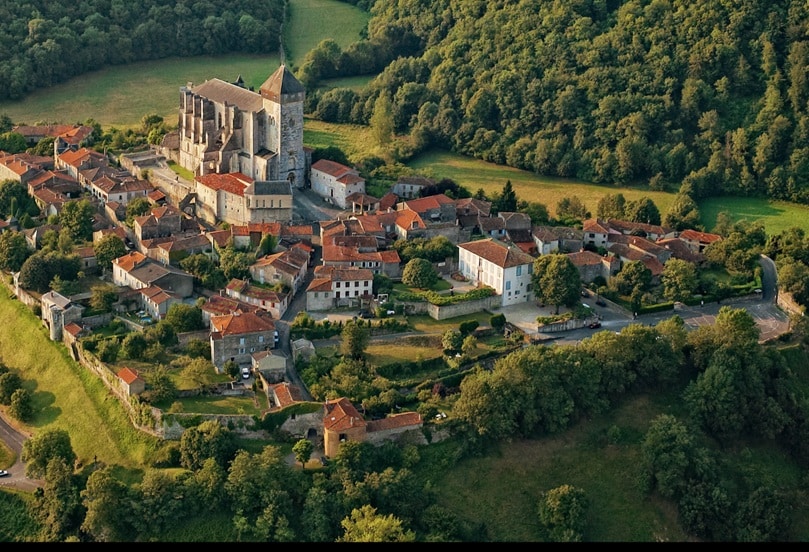
Saint-Bertrand-de-Comminges
During the Gallo-Roman era, from the 1st to the 3rd centuries, Lugdunum Convenarum became a prosperous city
It features the main elements of a Roman city, such as a network of streets and aqueducts, a forum (political and commercial center), thermal baths (public baths), a theater that could hold several thousand spectators, temples, and sanctuaries.
The city was located on a major route connecting Toulouse to Spain, which encouraged trade and movement.
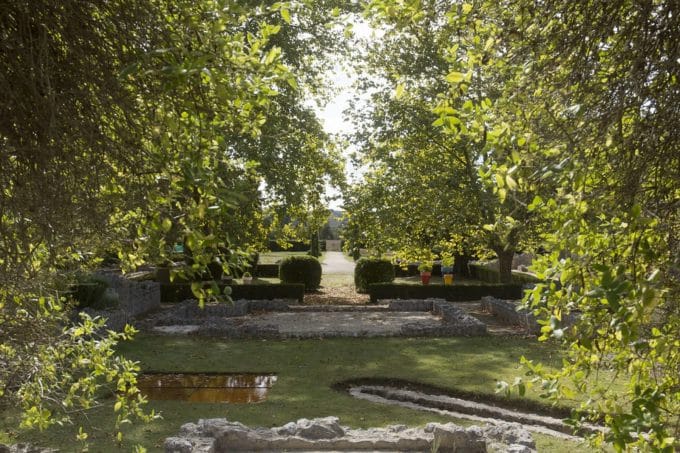
The decline of the Roman Empire
From the 3rd century onwards, the Roman Empire went through a period of crises, invasions, political instability, and economic difficulties
The city of Lugdunum Convenarum gradually declined, bringing an end to a prosperous period for Comminges as its territory changed. In the 5th century, with the fall of the Western Roman Empire, the region came under the control of Germanic peoples, notably the Visigoths, who created a powerful kingdom with their capital in Toulouse. Comminges then became part of the Visigoth kingdom.
The Via Garona GR® 861: connected to existing Compostela paths like “Conques-Toulouse,” the “Arles Way,” and the “Piedmont Way,” Via Garona is a 170 km GR® labeled hiking trail that allows you to walk from the center of Toulouse to the village of Saint-Bertrand-de-Comminges in 7 to 12 stages.
Montmaurin Archaeological Site
From 2026-01-01 to 2026-04-30
- Wednesday: 10:00 AM to 12:30 PM and 2:00 PM to 5:30 PM
- Thursday: 10:00 AM to 12:30 PM and 2:00 PM to 5:30 PM
- Friday: 10:00 AM to 6:00 PM and 12:30 PM to 5:30 PM
- Saturday: 10:00 AM to 12:30 PM and 2:00 PM to 5:30 PM
- Sunday: 10:00 AM to 12:30 PM and 2:00 PM to 5:30 PM
From 2026-05-02 to 2026-08-31
- Sunday: 10:00 AM to 6:00 PM
- Tuesday: 10:00 AM to 6:00 PM
- Wednesday: 10:00 AM to 6:00 PM
- Thursday: 10:00 AM to 6:00 PM
- Friday: 10:00 AM to 2:00 PM
- Saturday: 10:00 AM to 6:00 PM
Practical Information
- On-site parking
- Picnic area on site.
Prices
- Groups: €4 per person
- Adults (18 and over): €5
- Young people (under 18): Free
Saint-Bertrand-de-Comminges Site
The Saint Bertrand-de-Comminges / Valcabrère site is accessible all year round.
Opening hours
- June, July, and August: Monday to Saturday from 10 AM to 7 PM and Sunday from 2 PM to 7 PM.
- May and September: Monday to Saturday from 10 AM to 6 PM and Sunday from 2 PM to 6 PM.
- April and October: Monday to Saturday from 10 AM to 12 PM and from 2 PM to 6 PM, and Sunday from 2 PM to 6 PM.
- From November to March: Monday to Saturday from 10 AM to 12 PM and from 2 PM to 5 PM.
Information
“Les Olivétains” Cultural and Tourist Center located on the square in front of the Sainte-Marie Cathedral.
Tel: 05 61 95 44 44
Practical Information
- Tours available
Guided tours by certified guides, with or without meals (ancient site, Saint-Just Basilica, Sainte-Marie Cathedral, medieval city) by reservation.
Self-guided tours of the Sainte-Marie Cathedral and the Saint-Just de Valcabrère Basilica using booklets or audio guides in French, English, Spanish, Italian, and German. - For families
A youth area in the bookstore of the “Les Olivétains” Cultural and Tourist Center